
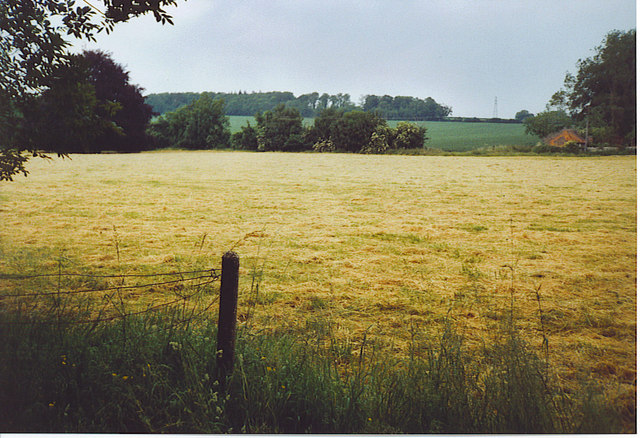
Good hay begins in good ground.
Our fields sit at Chalk Lane in Sidlesham, out on the Manhood Peninsula between Chichester Harbour and the South Downs. The soil is a light loam over chalk with a gentle southerly aspect, so it drains freely and warms early once spring gets going.
These are old permanent pastures, not a crop we plough in and out each year. They carry a mix of meadow grasses alongside native clovers and herbs, the kind of varied sward that horses and stock enjoy working through mouthful by mouthful.
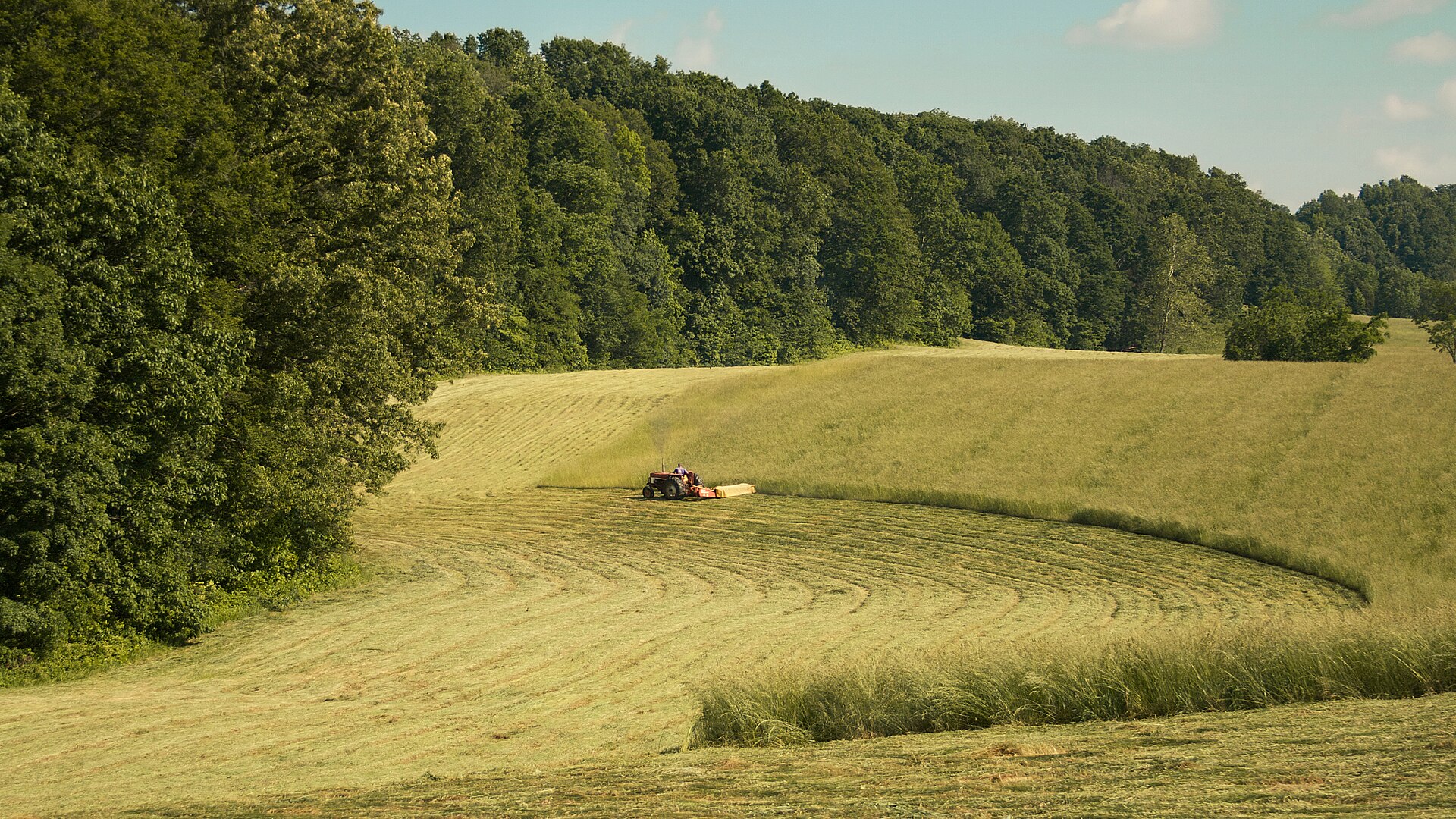
We cut when the grass is ready, never just when it suits us.
Mow too soon and the bales come out thin and lightweight. Leave it too long and the grass runs to stalk, coarse stuff that gets picked over and left in the manger. Martin watches for the point where the seed heads have set but the leaf is still soft, then waits on a settled spell with a few clear days to work in.
When the weather looks doubtful, we simply hold off. An extra week in the field is always better than a bale that comes in damp and heats up once it is stacked.
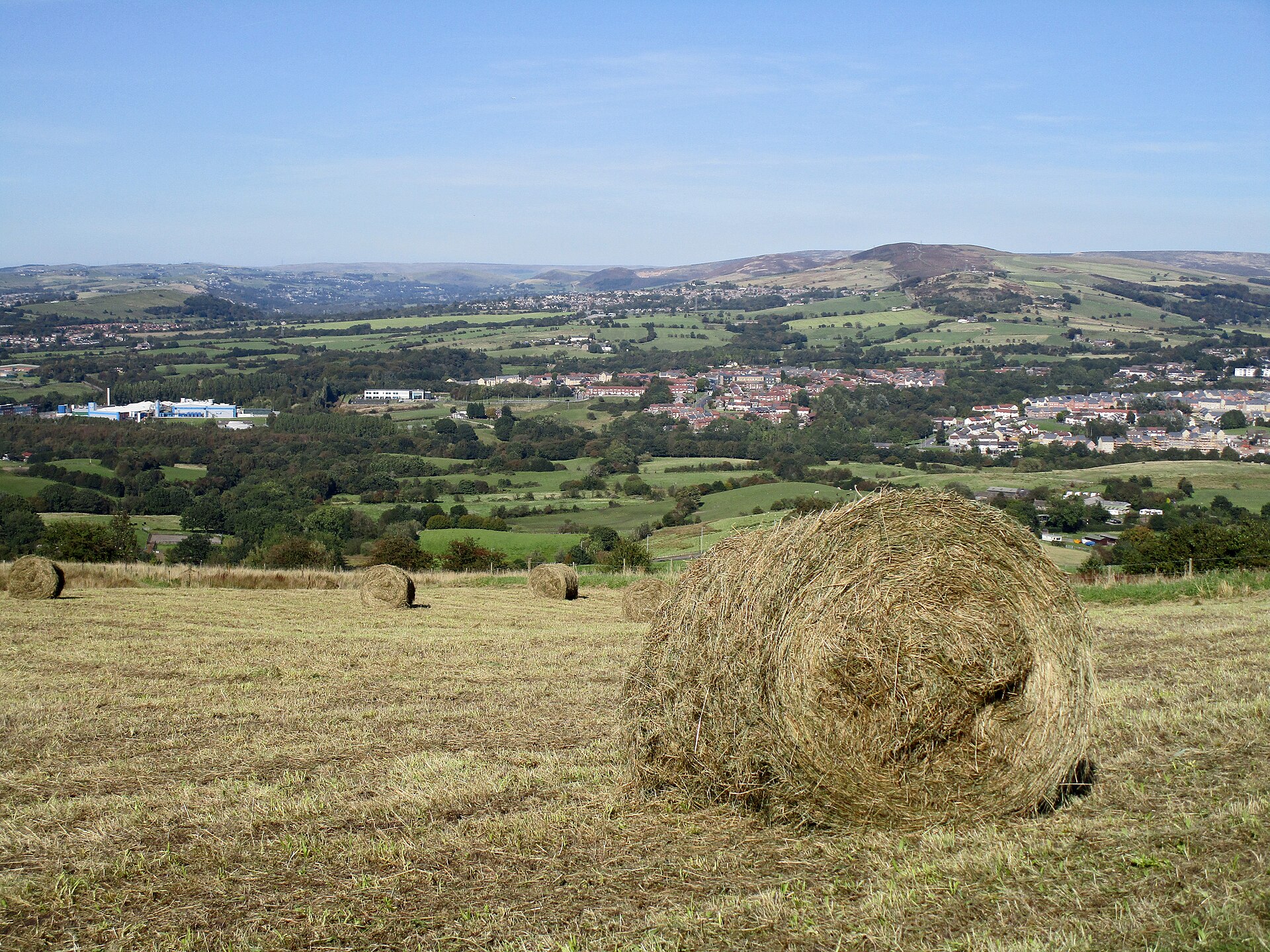
Carted in, kept dry, and never handed off.
Once the rows are baled they come straight off the field and in under cover. We do not leave stacks sitting out under a tarp for months, and we never pass our hay to anyone else to look after. Keeping it dry from the first day is what holds mould, weathering and rodents at bay.
It also means we can stand behind what you take home. Each batch is noted with its cut date and the field it came from, so if you ever ring with a question we can tell you exactly which hay you had.
Soft in the hand
Made at leaf rather than stalk, so a handful squeezes down and springs back.
Sweet on the nose
One breath tells the story: clean meadow scent, with no musty or dusty edge.
Bright to look at
Colour runs from pale green to a soft gold, never grey and never grimy.
Steady bale to bale
Within a batch the bales weigh close to one another, so your feeding stays predictable.
We will only tell you what we can actually stand behind.
Some sellers wave a single test report about, then quote the same sugar, protein and digestibility figures across every bale as though hay were made to a recipe. It is not. Grass changes from one cut to the next and one field to another. What we can promise is that the bales within a given batch match each other, that they have been made and kept properly, and that we will give you a straight answer about what is in the barn at any point in the year.
If you keep a horse with metabolic trouble and need to know the sugar level before you buy, just ask. We are happy to have a representative sample from your batch sent off for analysis.
Come and have a look round.
Visitors are always welcome by appointment, so give us a ring first.