A corner of the Manhood Peninsula, minded by one family.
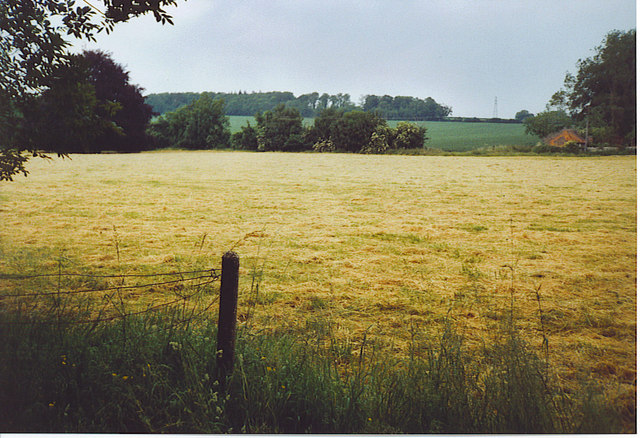
Our fields sit on light loam over chalk at Sidlesham, out on the Manhood Peninsula between Chichester Harbour and the South Downs National Park. It is a gentle, sheltered spot with a southerly aspect and free-draining soil, exactly the sort of ground that makes clean, sweet-smelling hay.
Martin and Christine Brassfield started here in 2003, and the farm has stayed small and personal ever since. We work our own acres, we know each field by name, and we would not have it any other way.
We cut by the weather and the grass, never the diary.
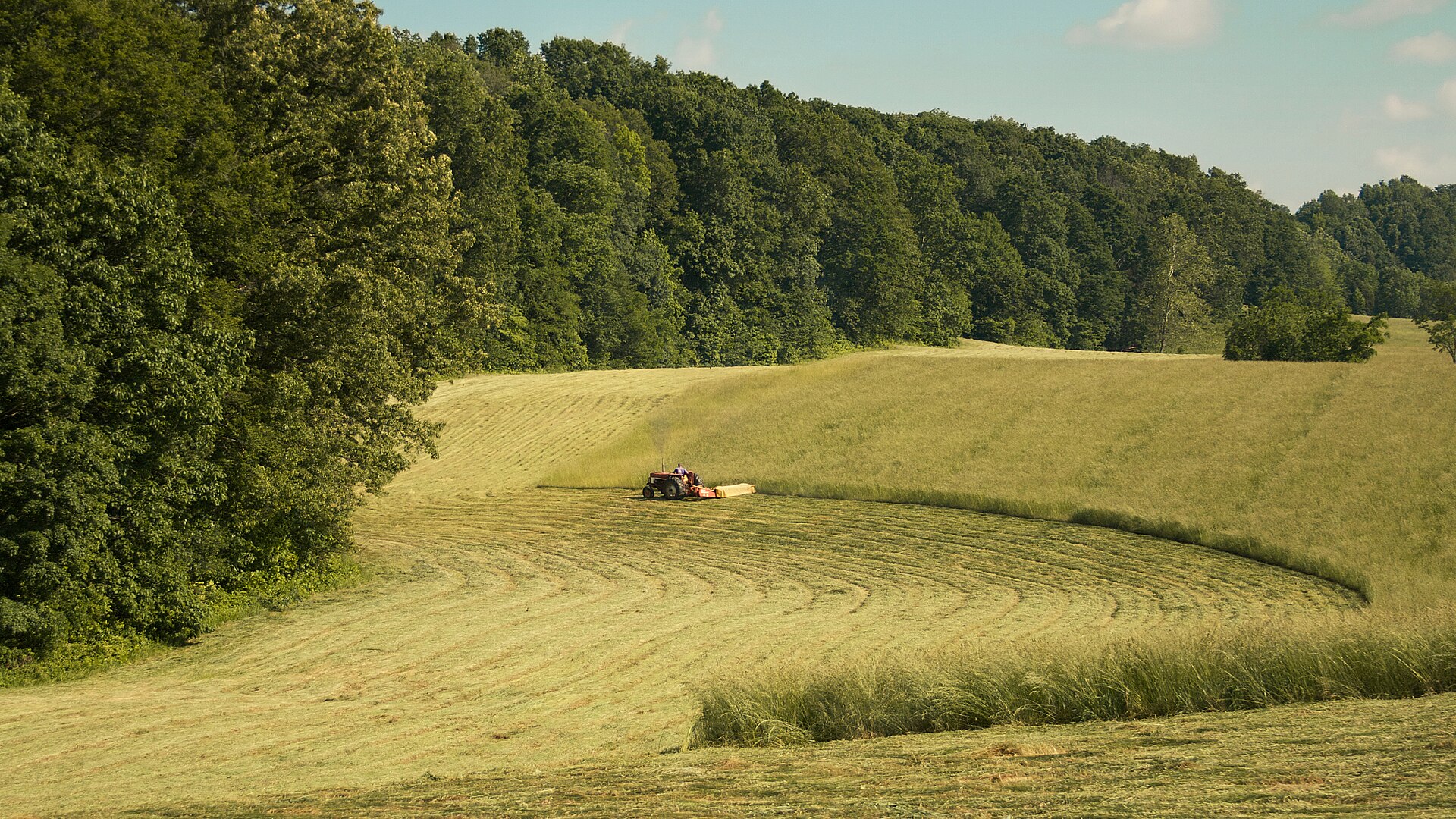
Good hay is made by sun and wind, so we wait for the right run of settled days. When the heads have filled and the leaf is still soft, and the forecast gives us a clear window, that is when the mower goes out, usually somewhere across June and July as the year allows.
Once it is down, the crop is turned to dry evenly and rowed up only when the moisture has fallen far enough to bale safely. If the sky changes its mind, so do we. Rushing a damp crop is the surest way to spoil a whole stack.
Meadow hay, wrapped haylage and small conventional bales.
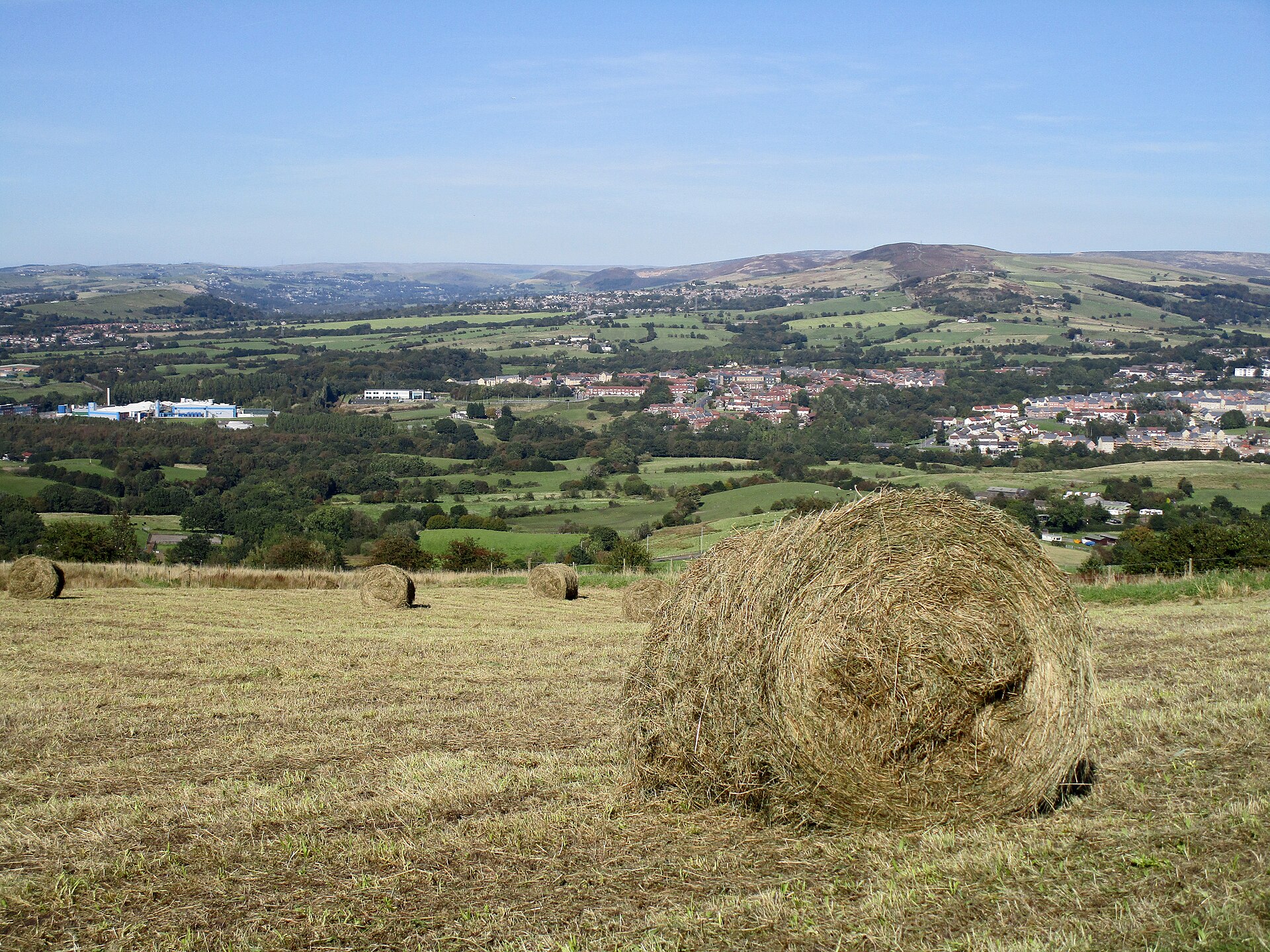
Everything comes off these fields and nothing is ever bought in or blended. When the crop is ready we make what suits it best: sweet meadow hay for the mangers, wrapped haylage for those who want a softer, dust-free forage, and tidy small bales that one person can lift and stack without a machine.
We keep the kit well maintained and the tractors serviced through the quieter winter months, because breaking down on a cutting day is a chance we would rather not take when the weather is kind.
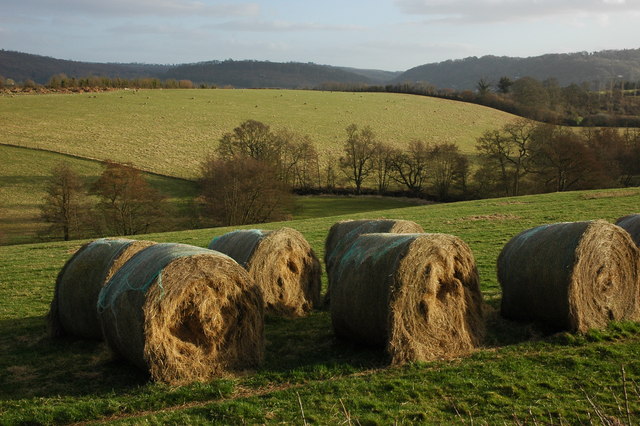
Kept dry, settled and sound until the day you collect it.
The moment a batch is baled it goes under cover. Our shed holds a full season's crop with room for the air to move, so the hay settles gently and stays sweet, safe from the damp and away from birds and vermin.
We note each batch by field and cutting date, so if you ever ask about a load we can tell you which meadow it came off and when it was made. That is the kind of answer only a grower who made the hay themselves can give.
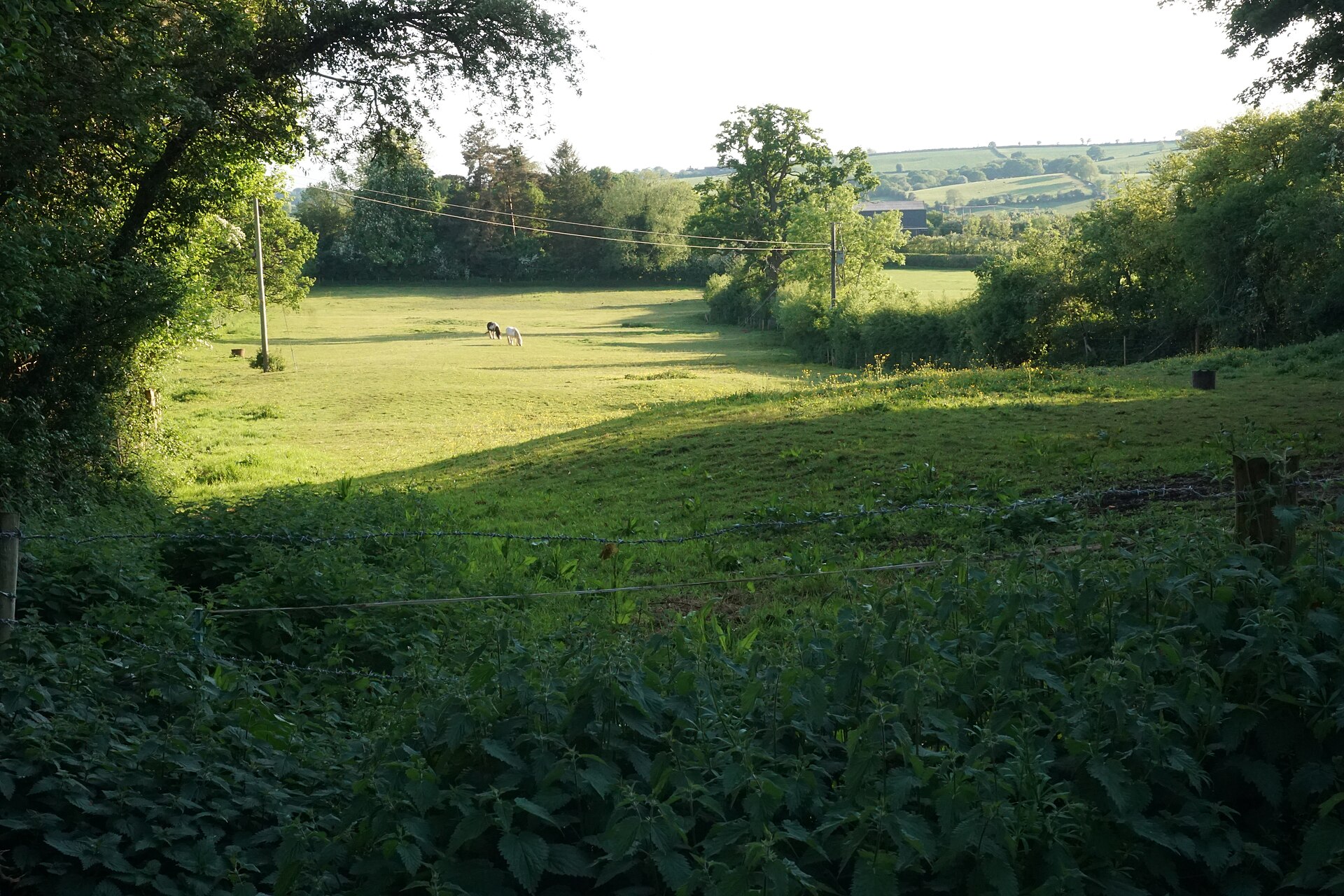
Honest forage for horses, livestock and smallholdings.
Our hay travels to equestrian yards, livestock farms and smallholders across West Sussex, Hampshire, Surrey and the wider South East. Many of the folk who collect from us have done so for years, and a good number arrive as neighbours and leave as friends.
We like it that way. Growing feed for animals you can picture in the field keeps you honest about quality, and that is a standard we are proud to hold ourselves to every season.
Fancy seeing the fields for yourself?
You are welcome to visit by arrangement. Give us a ring and we will find a time.