
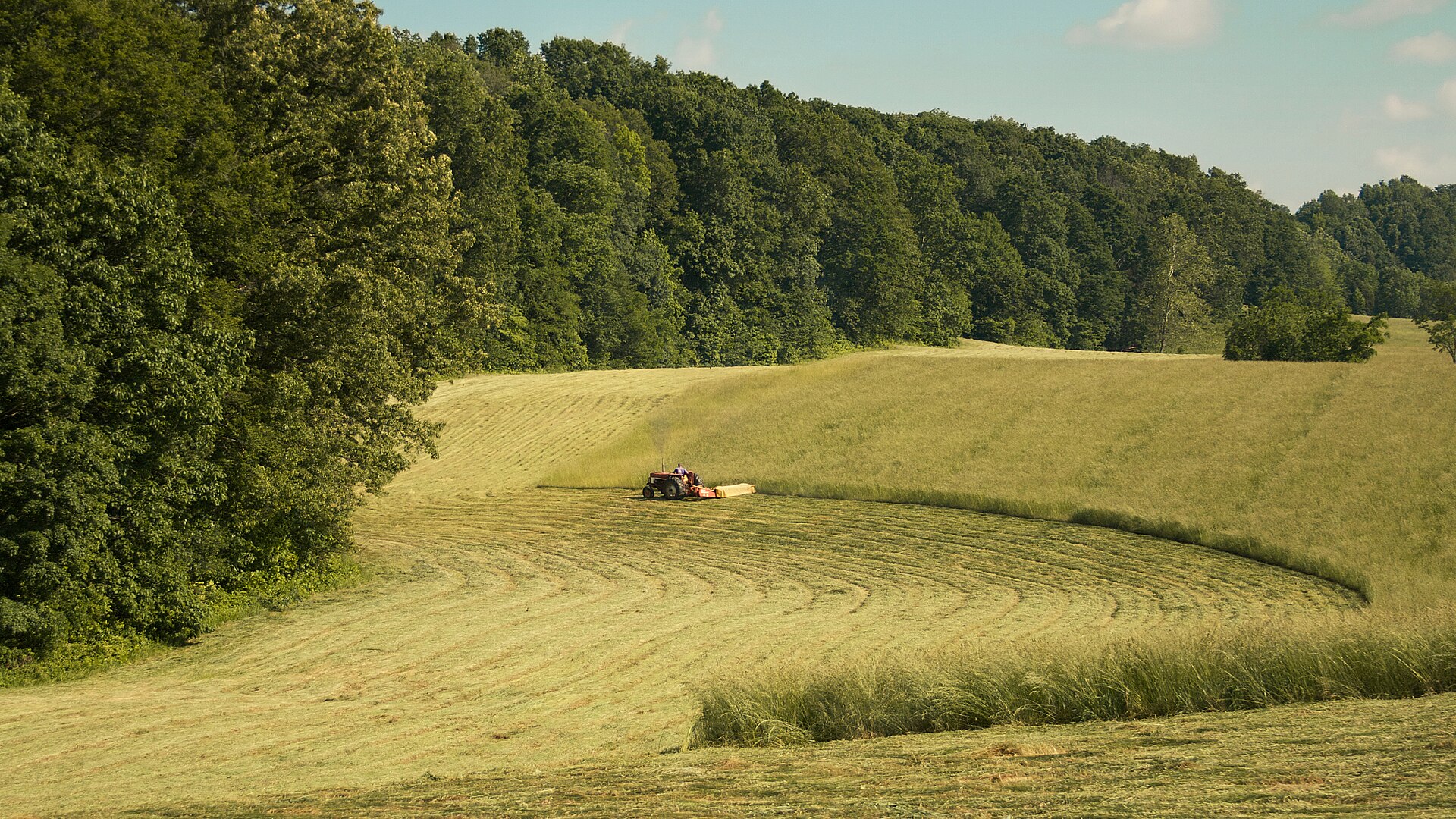
What haylage is
Our meadow grass, caught a little greener.
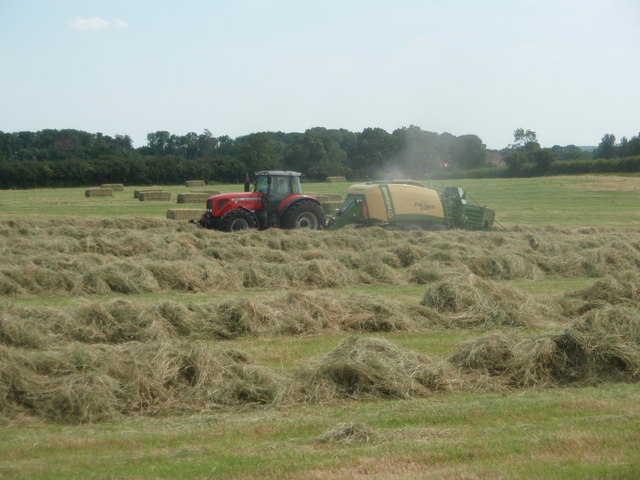
Where our hay is dried right off in the sun, haylage is grass we cut a touch earlier and bale at a higher moisture, roughly 35–45%. A short wilt in the field, then each bale is sealed under wrap so it settles and stays sweet rather than drying brittle.
Because it is grown, cut and wrapped here on the farm, every bale carries the same grasses that come up year after year on our chalk-and-loam ground. Nothing is bought in and nothing is blended. It is simply our own meadow, held at its softest.
Why yards ask for it
Kind on the chest, generous in the bucket.
- Gentle on sensitive lungs. Sealed under wrap, there is next to no airborne dust or spore for an irritated airway to catch on.
- More goodness held in. Catching the grass greener keeps the leaf, sugars and protein that full sun-drying tends to shed.
- Tempting to picky feeders. Soft and sweet-smelling, it wins over the horse that only nibbles at dry hay.
Bales and keeping
How it comes, and how to store it
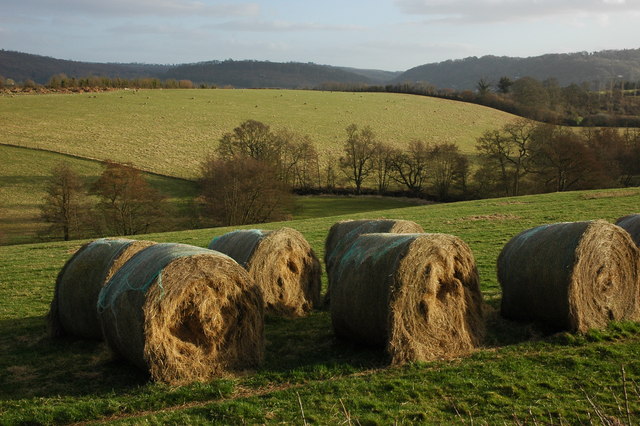
- Round wrapped bales. The usual choice for a busy yard. Feed within about five days of opening.
- Square wrapped bales. Tidy to stack where barn space is tight.
- Keeping it well. Stand the bales off the ground, out of hard sun, with the wrap intact.
- How long it lasts. A sealed bale stays good for roughly a year from the day it was wrapped.
- A nicked wrap. Patch it with tape the same day, or feed that bale out over the coming week.
After a price on haylage?
Tell us how many horses you feed and we’ll let you know what we have wrapped and ready, and the cost per bale.